
Garment care
The Art of Caring for Handmade Cotton & Linen
A garment made with intention deserves to be cared for with the same thoughtfulness. A few simple habits are all it takes.
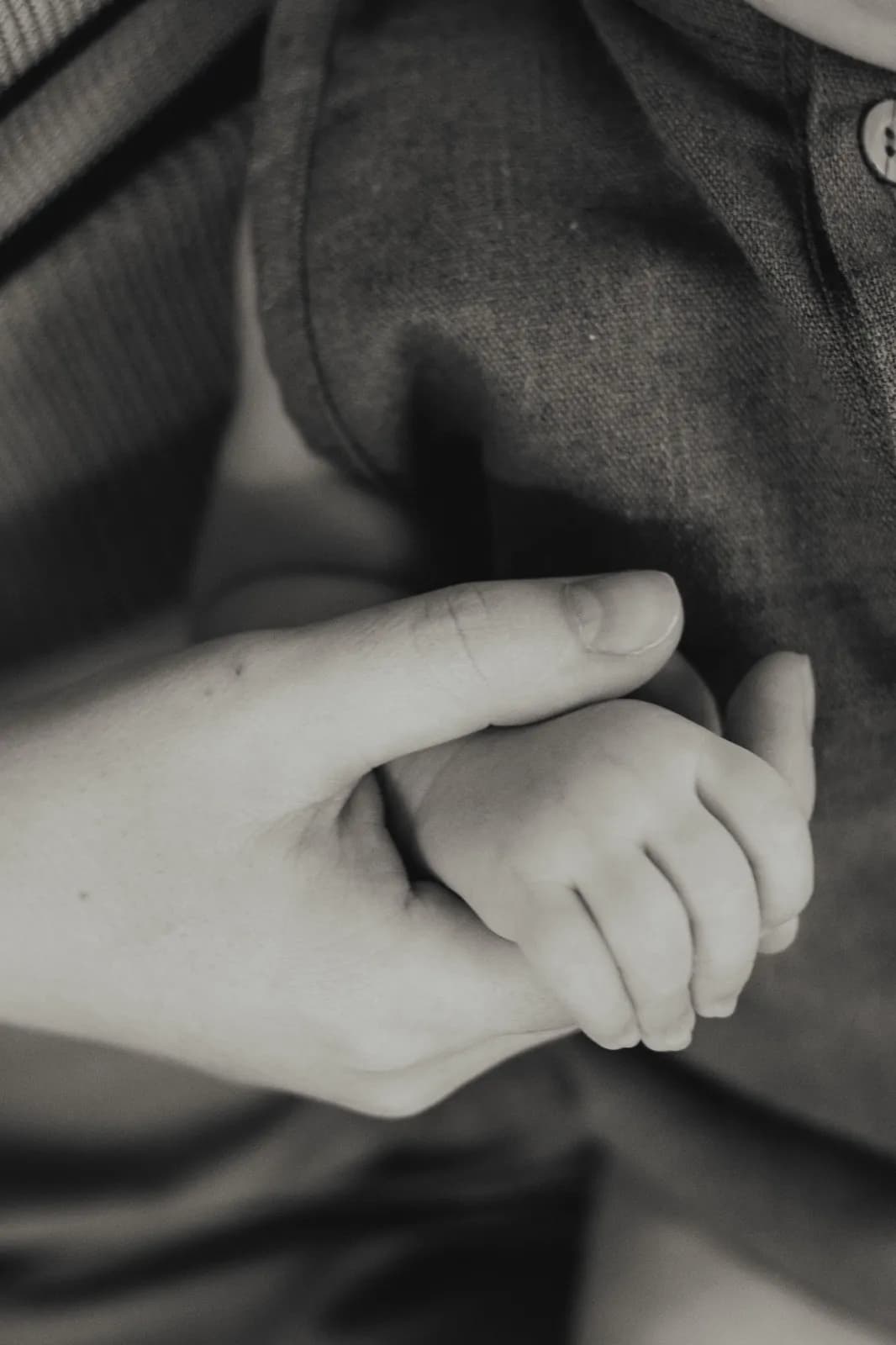
There is something quietly beautiful about a garment made by hand.
Perhaps it is the texture of the fabric, the subtle variation in the weave, or the softness that develops with every wear. Handmade cotton and linen have a character of their own. They breathe, move, crease and soften, and over time, they begin to carry a little of your story too.
A garment made with such intention deserves to be cared for with the same thoughtfulness.
The good news? Caring for handmade cotton and linen doesn’t need to be complicated. A few simple habits can help preserve the fabric, colour and character of your favourite pieces for years to come.
Start With a Gentle Wash
When it comes to natural fabrics, less is often more.
Choose a gentle hand wash or a delicate machine cycle with cold water. Use a mild detergent and avoid bleach, strong chemicals or harsh stain removers, as they can affect both the fibres and the colour.
If your garment has a deeper or richer colour, wash it separately, especially during the first few washes. This helps preserve its original tone and prevents colour transfer.
And while soaking may seem like a harmless way to clean a garment, handmade fabrics prefer a shorter wash. Avoid leaving them submerged for long periods.
The rule is simple: cool water, mild detergent and a gentle touch.
Let It Dry Naturally
Once the washing is done, resist the temptation to wring the garment.
Instead, gently press out excess water or roll the garment briefly in a clean towel. Then allow it to air dry in a shaded, well-ventilated space.
Natural drying helps cotton and linen retain their character. Avoid prolonged exposure to strong, direct sunlight, particularly for darker or naturally dyed fabrics, as it can gradually affect the colour.
There is something lovely about letting a garment take its time. Allow it to dry naturally, without rushing the process.
Don’t Fight the Crease
If there is one thing linen teaches us, it is that perfection doesn’t always mean wrinkle-free.
The relaxed crease of linen is part of its charm. It gives the fabric an effortless, lived-in quality that becomes even more beautiful with time.
If you prefer a more polished finish, iron the garment on low to medium heat while it is slightly damp. For embroidered, textured or embellished areas, turn the garment inside out and place a thin protective cloth between the iron and the fabric.
The aim isn’t to remove every trace of its natural character, just to bring the garment back to its best.
Give It Room to Breathe
Before putting your garment away, make sure it is completely clean and dry. Fold it neatly and store it in a cool, dry and well-ventilated space.
Avoid overcrowding your wardrobe. Cotton and linen are natural fibres, and they appreciate a little breathing room.
For longer-term storage, choose a breathable cotton garment bag rather than plastic. Plastic can trap moisture, which isn’t ideal for natural fabrics. If a garment has been stored for an extended period, refold it occasionally to prevent deep creases from forming in the same place.
Care for the Details
Handmade garments often carry details that deserve a little extra attention: embroidery, hand-finished surfaces, delicate trims or textured elements.
When washing or ironing such pieces, handle these areas gently. Avoid rubbing directly over embroidery or pulling at loose threads. When in doubt, turn the garment inside out and treat the detailed areas with extra care.
These small gestures can make a meaningful difference to how your garment looks and feels over time.
Let It Become Yours
Perhaps the most beautiful part of handmade cotton and linen is that they aren’t meant to remain exactly as they were on the day you bought them.
They soften with wear. They develop subtle variations. They collect memories.
The crease from a long evening, the softness that comes after countless wears, the slight change in texture that appears over the years. These aren’t imperfections. They are signs that the garment has lived.
So wash it gently. Dry it naturally. Store it thoughtfully.
And most importantly, wear it often.
Because the best-kept garment isn’t necessarily the one that stays untouched in your wardrobe. It is the one that becomes part of your everyday life, quietly accompanying you through seasons, occasions and everything in between.
Care for it gently. Wear it often. Let it become yours.